In the first post in what will be a period series looking at our official crime stats and what they mean, here I dig into "recidivism," an incredibly important number that is measured poorly and may be impossible to measure well.


In the first post in what will be a period series looking at our official crime stats and what they mean, here I dig into "recidivism," an incredibly important number that is measured poorly and may be impossible to measure well.
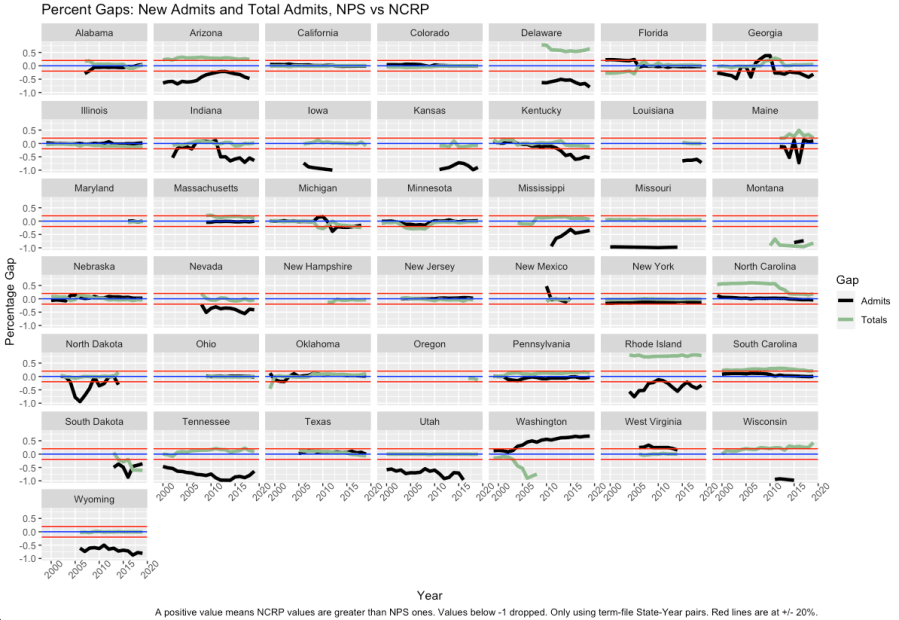
A brief post on conflicts between the NCRP and NPS over prison admissions--a challenge for those doing empirical work on prisons, and a broader warning about the pitfalls in our criminal legal data.
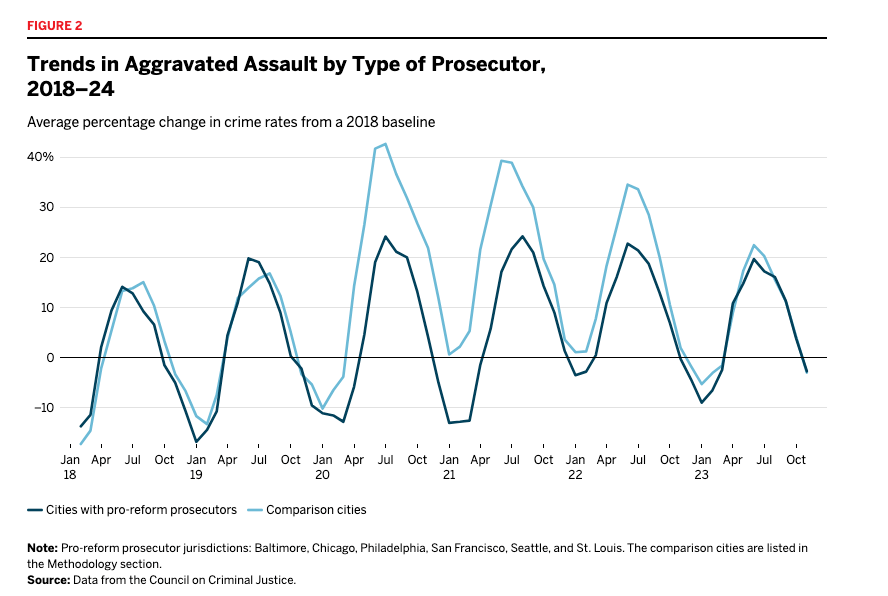
Election Day was a bad day for criminal legal reform. Not just because Trump's victory means that the Heritage Institute will try to harass if not oust reform prosecutors it dislikes, but because in many cases reform prosecutors lost directly in local elections (although there was a solid win or two). And they likely lost …
Continue reading Reform Prosecutors Do Not Increase Crime: What the Data Tells Us

For a while now, I've been seriously concerned about the threat that state-level preemption poses to local criminal legal reform efforts. But as I've dug into it more, my views have become ... confused. I don't think it is irrelevant, and it may still pose a dire threat to reforms. But also? Republican efforts to …

The 2024 MCCA midyear homicide data suggests that 2024 is on track for historic declines. But extrapolating midyear data from a few cities to national yearend data seems risky. This post suggests it may be okay to do so here.

While state-level data suggests that red and blue states alike saw prisons declines, county-level numbers indicate that this seeming bipartisanship is deceptive. Even in the red states, the declines are driven by the blue counties.
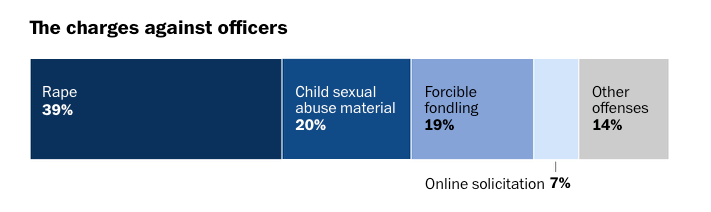
A recent WaPo article on sexual violence against children by police had some shocking numbers. My goal here is to put them into a bit more context, which tells a complex story.

California's 2011 Realignment law was one of the more transformative reform laws of the current reform era, but it gets almost no attention. This explainer hopes to start to help fix that.
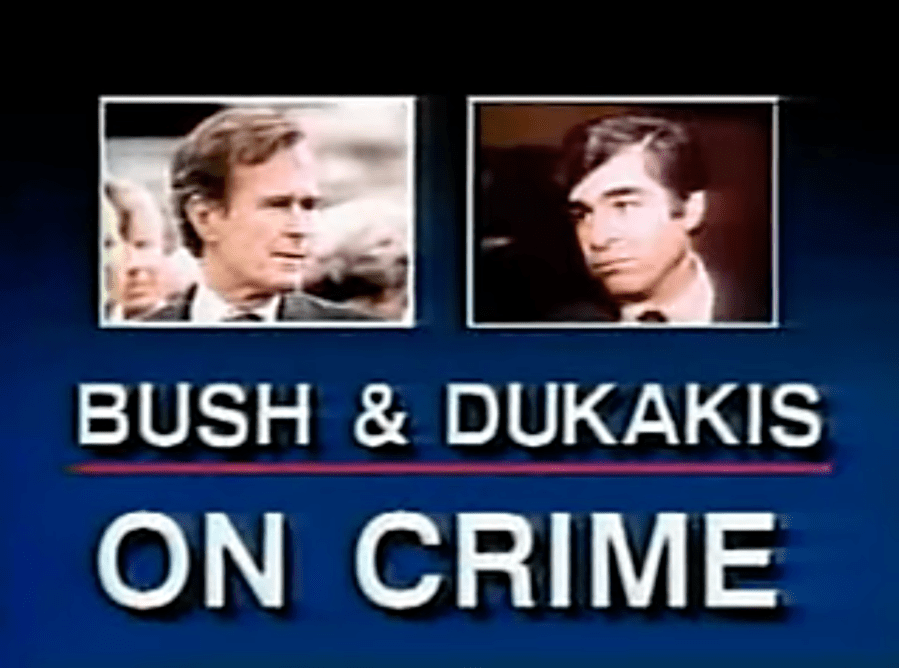
The "Willie Horton Effect" has long been cited for why politicians cannot risk being lenient towards people convicted of crimes. I've long cited it myself, but now I increasingly think the politics here are a lot more complicated.

A famous Gallup poll is often cited by crime-studying types as evidence that Americans are ignorant about crime trends. I think it actually sheds some important light on how the politics of crime are really about broader, deeper fears.
 Prisons, Prosecutors, and the Politics of Punishment