In the first post in what will be a period series looking at our official crime stats and what they mean, here I dig into "recidivism," an incredibly important number that is measured poorly and may be impossible to measure well.


In the first post in what will be a period series looking at our official crime stats and what they mean, here I dig into "recidivism," an incredibly important number that is measured poorly and may be impossible to measure well.
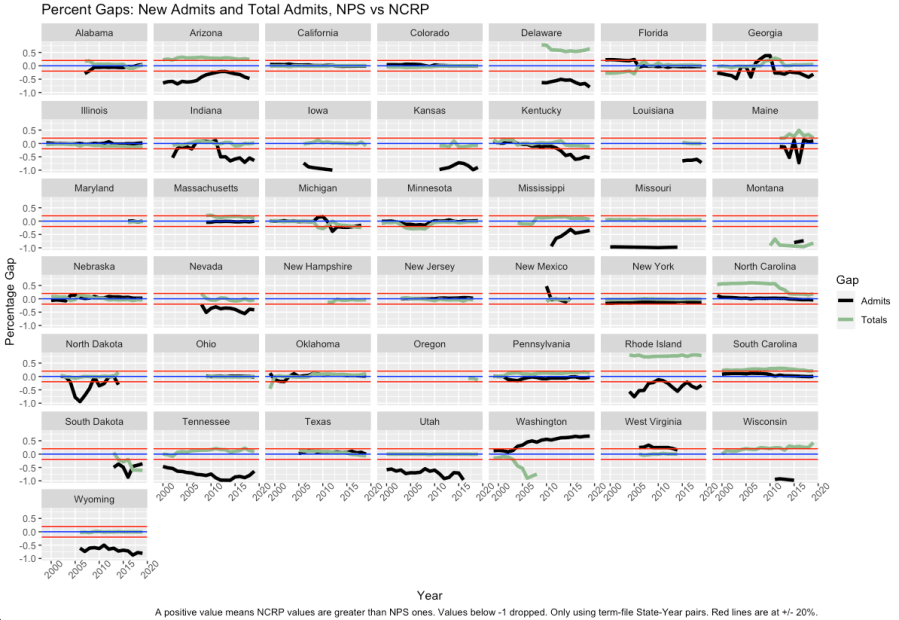
A brief post on conflicts between the NCRP and NPS over prison admissions--a challenge for those doing empirical work on prisons, and a broader warning about the pitfalls in our criminal legal data.

For a while now, I've been seriously concerned about the threat that state-level preemption poses to local criminal legal reform efforts. But as I've dug into it more, my views have become ... confused. I don't think it is irrelevant, and it may still pose a dire threat to reforms. But also? Republican efforts to …

The 2024 MCCA midyear homicide data suggests that 2024 is on track for historic declines. But extrapolating midyear data from a few cities to national yearend data seems risky. This post suggests it may be okay to do so here.
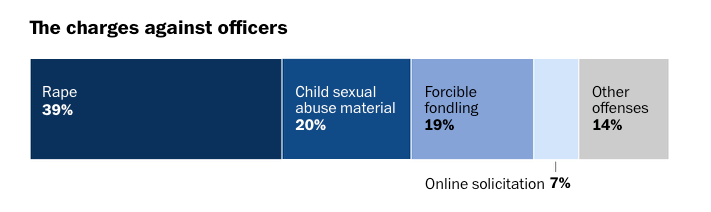
A recent WaPo article on sexual violence against children by police had some shocking numbers. My goal here is to put them into a bit more context, which tells a complex story.

With the availability of granular prison data for 2020, it has become clear that the population *most* at risk to suffer bad reactions to Covid--the elderly--was the one to *least* experience early release. In fact, in many states, the number of people over 65 in prison rose over 2020.

For all our talk about defunding the police (which didn't happen), we ignored how we did in fact significantly reduce local government employment. And an excellent recent article by John Roman suggests this played a big, but underappreciated, role in driving up homicides and shootings in 2020.

As far as I know, there is no single list of not only all the people who have been elected as reform prosecutor, but also of those who have run and lost. Here I provide my first effort at such a list, which currently runs to 128 current, former, and unsuccessful reformers.
 Prisons, Prosecutors, and the Politics of Punishment